PLA filament, ranked by £/kg
Plain PLA filament is the default for most printing: stiff, low-warp, prints cool on an open printer with a brass nozzle. It softens from about 55°C, so it is the wrong choice for anything left in the sun.
| Product | Material | Weight | Rating | Price | Per kg | Deal |
|---|---|---|---|---|---|---|
 SUNLU Hyper PLA Filament 1.75mm Klein Blue 1KG, High Speed PLA Filament |
PLA | 1 kg | 4.6 out of 5 (2,358 Amazon ratings) | £13.29 | £13.29 | 30% below |
 eSUN PLA Basic Refill 1KG Filament with Detachable Holder eSpool+2.0,Orange |
PLA | 1 kg refill | 4.9 out of 5 (25 Amazon ratings) | £13.29 | £13.29 | — |
 Inslogic Pre-Dried PLA Pro 3D Printer Filament 1.75mm Black 1KG |
PLA | 1 kg | 4.4 out of 5 (90 Amazon ratings) | £13.38 | £13.38 | 31% below |
 Inslogic Pre-Dried PLA Pro 3D Printer Filament 1.75mm White 1KG |
PLA | 1 kg | 4.4 out of 5 (90 Amazon ratings) | £13.38 | £13.38 | 31% below |
 Inslogic Pre-Dried Matte PLA 3D Printer Filament 1.75mm Black 1KG |
PLA | 1 kg | 4.3 out of 5 (92 Amazon ratings) | £13.38 | £13.38 | 31% below |
 ZIRO Matte PLA Filament 1.75mm, Matte 3D Printer Filament, 1kg/2.2lb Spool |
PLA | 1 kg | 4.4 out of 5 (778 Amazon ratings) | £13.41 | £13.41 | Warehouse · 4% under new |
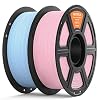 ELEGOO Matte PLA 3D Printer Filament 1.75mm Sakura Pink & Ice Blue 2KG |
PLA | 2 kg | 4.7 out of 5 (829 Amazon ratings) | £26.98 | £13.49 | — |
 sourcing map Silk PLA Filament Gold 1.75mm 1KG/2.2LB 3D Printer Filament |
PLA | 1 kg | — | £13.49 | £13.49 | 5% below |
 LANDU Silk PLA 3D Printer Filament Multicolor Rainbow PLA Filament 1.75mm Grad |
PLA | 1 kg | — | £13.52 | £13.52 | 9% below |
 LANDU Silk Dual Color PLA Filament 1.75mm 1KG, 3D Printer Filament Dimensional |
PLA | 1 kg | — | £13.52 | £13.52 | 9% below |
 SUNLU Matte PLA 3D Printer Filament 1.75mm, Matte Pink 1KG |
PLA | 1 kg | 4.5 out of 5 (3,910 Amazon ratings) | £13.53 | £13.53 | 9% below |
 SUNLU Matte PLA 3D Printer Filament 1.75mm, Matte Red 1KG |
PLA | 1 kg | 4.5 out of 5 (3,910 Amazon ratings) | £13.53 | £13.53 | — |
 SUNLU Matte PLA 3D Printer Filament 1.75mm, Matte Sprout Green 1KG |
PLA | 1 kg | 4.5 out of 5 (3,909 Amazon ratings) | £13.53 | £13.53 | — |
 3DFILS - PLA Filament for 3D Printing esFil PLA INGEO 3D850: 1.75 mm, 1 Kg, Bl |
PLA | 1 kg | 4.1 out of 5 (653 Amazon ratings) | £13.54 | £13.54 | — |
 DEEPLEE PLA Filament 1.75mm Red 1kg |
PLA | 1 kg | 4.7 out of 5 (333 Amazon ratings) | £13.56 | £13.56 | 15% below |
 DEEPLEE Matte PLA Filament 1.75mm Navy Blue 1kg(Plastic Spool) |
PLA | 1 kg | 4.6 out of 5 (112 Amazon ratings) | £13.57 | £13.57 | 15% below |
 DEEPLEE Matte PLA Filament 1.75mm Teal Green 1kg(Plastic Spool) |
PLA | 1 kg | 4.6 out of 5 (112 Amazon ratings) | £13.57 | £13.57 | 15% below |
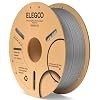 ELEGOO PLA 3D Printer Filament 1.75mm Space Grey 1KG, Precision Wound |
PLA | 1 kg | 4.3 out of 5 (20 Amazon ratings) | £13.58 | £13.58 | 15% below |
 DEEPLEE Matte PLA Filament 1.75mm Slate Grey 1kg |
PLA | 1 kg | 4.5 out of 5 (1,151 Amazon ratings) | £13.58 | £13.58 | 15% below |
 DEEPLEE PLA Filament 1.75mm Beige 1kg |
PLA | 1 kg | 5.0 out of 5 (13 Amazon ratings) | £13.58 | £13.58 | 15% below |
 DEEPLEE Matte PLA Filament 1.75mm Lavender Purple 1kg |
PLA | 1 kg | 4.5 out of 5 (1,177 Amazon ratings) | £13.58 | £13.58 | — |
 ELEGOO Matte PLA 3D Printer Filament 1.75mm Black 1KG, Matte Finish |
PLA | 1 kg | 4.7 out of 5 (831 Amazon ratings) | £13.58 | £13.58 | — |
 DEEPLEE Matte PLA Filament 1.75mm Matte Earth Brown 1kg |
PLA | 1 kg | 4.5 out of 5 (1,177 Amazon ratings) | £13.58 | £13.58 | — |
 ELEGOO PLA Basic 3D Printer Filament and Reusable Spool Purple 1KG 1.75mm |
PLA | 1 kg | 4.8 out of 5 (247 Amazon ratings) | £13.58 | £13.58 | 15% below |
 DEEPLEE Matte PLA Filament 1.75mm Beige 1kg(Plastic Spool) |
PLA | 1 kg | 4.6 out of 5 (112 Amazon ratings) | £13.58 | £13.58 | 15% below |
 DEEPLEE Matte PLA Filament 1.75mm Ruby Red 1kg(Plastic Spool) |
PLA | 1 kg | 4.6 out of 5 (113 Amazon ratings) | £13.58 | £13.58 | 15% below |
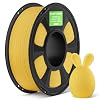 DEEPLEE Matte PLA Filament 1.75mm Sunshine Yellow 1kg(Plastic Spool) |
PLA | 1 kg | 4.6 out of 5 (112 Amazon ratings) | £13.58 | £13.58 | 15% below |
 DEEPLEE Matte PLA Filament 1.75mm Mint Green 1kg(Plastic Spool) |
PLA | 1 kg | 4.6 out of 5 (112 Amazon ratings) | £13.58 | £13.58 | 15% below |
 DEEPLEE Matte PLA Filament 1.75mm Slate Grey 1kg(Plastic Spool) |
PLA | 1 kg | 4.6 out of 5 (112 Amazon ratings) | £13.58 | £13.58 | 15% below |
 DEEPLEE Matte PLA Filament 1.75mm Lavender Purple 1kg(Plastic Spool) |
PLA | 1 kg | 4.6 out of 5 (113 Amazon ratings) | £13.58 | £13.58 | 15% below |
 DEEPLEE Matte PLA Filament 1.75mm Earth Brown 1kg(Plastic Spool) |
PLA | 1 kg | 4.6 out of 5 (113 Amazon ratings) | £13.58 | £13.58 | — |
 ERYONE Silk PLA Filament 1.75mm, 3D Printer Filament PLA, -0.03mm, 1kg(2.2lbs) |
PLA | 1 kg | 4.4 out of 5 (8,382 Amazon ratings) | £13.59 | £13.59 | 15% below |
 ERYONE Silk PLA Filament 1.75mm, 3D Printer Filament PLA, -0.03mm, 1kg(2.2lbs) |
PLA | 1 kg | 4.4 out of 5 (8,390 Amazon ratings) | £13.59 | £13.59 | 15% below |
 ERYONE Silk PLA Filament 1.75mm, 3D Printer Filament PLA, -0.03mm, 1kg(2.2lbs) |
PLA | 1 kg | 4.4 out of 5 (8,363 Amazon ratings) | £13.59 | £13.59 | 15% below |
 ERYONE Silk PLA Filament 1.75mm, 3D Printer Filament PLA, -0.03mm, 1kg(2.2lbs) |
PLA | 1 kg | 4.4 out of 5 (8,370 Amazon ratings) | £13.59 | £13.59 | 5% below |
 Creality 3D Printer Filament 1.75mm, Ender PLA Filament No-Tangling Smooth Pri |
PLA | 1 kg | 4.4 out of 5 (1,629 Amazon ratings) | £13.59 | £13.59 | 15% below |
 ERYONE Dual Silk PLA Filament 1.75 mm, Co-Extrucsion PLA Silk Filament for 3D |
PLA | 1 kg | 4.4 out of 5 (8,357 Amazon ratings) | £13.59 | £13.59 | 20% below |
 ELEGOO PLA 3D Printer Filament 1.75mm Sky Blue 1KG, Precision Wound |
PLA | 1 kg | 4.6 out of 5 (139 Amazon ratings) | £13.59 | £13.59 | 15% below |
 ELEGOO PLA 3D Printer Filament 1.75mm Grey 1KG, Precision Wound |
PLA | 1 kg | 4.6 out of 5 (380 Amazon ratings) | £13.59 | £13.59 | 15% below |
 ELEGOO PLA 3D Printer Filament 1.75mm Yellow 1KG, Precision Wound |
PLA | 1 kg | 4.4 out of 5 (152 Amazon ratings) | £13.59 | £13.59 | 15% below |
 ELEGOO PLA 3D Printer Filament 1.75mm White 1KG, Precision Wound |
PLA | 1 kg | 4.6 out of 5 (1,074 Amazon ratings) | £13.59 | £13.59 | 15% below |
 ELEGOO PLA 3D Printer Filament 1.75mm Red 1KG, Precision Wound |
PLA | 1 kg | 4.7 out of 5 (211 Amazon ratings) | £13.59 | £13.59 | 15% below |
 ELEGOO PLA 3D Printer Filament 1.75mm Dark Blue 1KG, Precision Wound |
PLA | 1 kg | 4.5 out of 5 (70 Amazon ratings) | £13.59 | £13.59 | 15% below |
 ELEGOO PLA 3D Printer Filament 1.75mm Beige 1KG, Precision Wound |
PLA | 1 kg | 4.5 out of 5 (213 Amazon ratings) | £13.59 | £13.59 | 15% below |
 ELEGOO PLA 3D Printer Filament 1.75mm Orange 1KG, Precision Wound |
PLA | 1 kg | 4.7 out of 5 (70 Amazon ratings) | £13.59 | £13.59 | 15% below |
 ELEGOO PLA 3D Printer Filament 1.75mm Neon Green 1KG, Precision Wound |
PLA | 1 kg | 4.8 out of 5 (81 Amazon ratings) | £13.59 | £13.59 | 15% below |
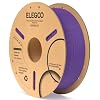 ELEGOO PLA 3D Printer Filament 1.75mm Purple 1KG, Precision Wound |
PLA | 1 kg | 4.6 out of 5 (88 Amazon ratings) | £13.59 | £13.59 | 15% below |
 ELEGOO PLA 3D Printer Filament 1.75mm Wood Colour 1KG, Precision Wound |
PLA | 1 kg | 4.6 out of 5 (320 Amazon ratings) | £13.59 | £13.59 | 15% below |
 ELEGOO PLA 3D Printer Filament 1.75mm Sea Green 1KG, Precision Wound |
PLA | 1 kg | 4.6 out of 5 (69 Amazon ratings) | £13.59 | £13.59 | 15% below |
 ELEGOO PLA 3D Printer Filament 1.75mm Brown 1KG, Precision Wound |
PLA | 1 kg | 4.6 out of 5 (150 Amazon ratings) | £13.59 | £13.59 | 15% below |
 ELEGOO PLA 3D Printer Filament 1.75mm Pink 1KG, Precision Wound |
PLA | 1 kg | 4.5 out of 5 (91 Amazon ratings) | £13.59 | £13.59 | 15% below |
 SUNLU Hyper PLA Filament 1.75mm Black 1KG, High Speed PLA Black Filament |
PLA | 1 kg | 4.6 out of 5 (2,358 Amazon ratings) | £13.59 | £13.59 | 15% below |
 SUNLU High Speed 1.75mm PLA Filament, Up to 600mm/s Fast Printing, Rapid HS-PL |
PLA | 1 kg | 4.6 out of 5 (2,358 Amazon ratings) | £13.59 | £13.59 | 9% below |
 ANYCUBIC Silk PLA Filament 1.75mm, Dual-Color 1KG Black Gold |
PLA | 1 kg | 4.7 out of 5 (13 Amazon ratings) | £13.59 | £13.59 | 15% below |
 ANYCUBIC Silk PLA Filament 1.75mm, Dual-Color 1KG Black Blue |
PLA | 1 kg | 5.0 out of 5 (16 Amazon ratings) | £13.59 | £13.59 | 15% below |
 ELEGOO Matte PLA 3D Printer Filament Sakura Pink 1KG 1.75mm, Matte Finish |
PLA | 1 kg | 4.6 out of 5 (2,603 Amazon ratings) | £13.59 | £13.59 | 15% below |
 ELEGOO Matte PLA Filament Ice Blue 1KG, 1.75mm 3D Printer Filament Dimensional |
PLA | 1 kg | 4.6 out of 5 (2,603 Amazon ratings) | £13.59 | £13.59 | 20% below |
 ELEGOO Matte PLA 3D Printer Filament Mint Green 1KG 1.75mm, Matte Finish |
PLA | 1 kg | 4.6 out of 5 (2,603 Amazon ratings) | £13.59 | £13.59 | 15% below |
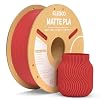 ELEGOO Matte PLA 3D Printer Filament Ruby Red 1KG 1.75mm, Matte Finish |
PLA | 1 kg | 4.6 out of 5 (2,603 Amazon ratings) | £13.59 | £13.59 | 15% below |
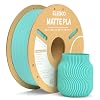 ELEGOO Matte PLA 3D Printer Filament Teal Green 1KG 1.75mm, Matte Finish |
PLA | 1 kg | 4.6 out of 5 (2,651 Amazon ratings) | £13.59 | £13.59 | 15% below |
Guides
-
Bed adhesion: what actually works
Glue sticks, hairspray, rafts, brims and expensive surfaces — an honest ranking of what fixes prints coming loose, starting with the free fix that solves most cases.
-
Do you need a filament dryer?
Wet filament is real and ruins prints, but a dedicated dryer is not the only answer. How to tell if moisture is your problem, and what to do about it.
-
Filament storage: dry boxes, vacuum bags and desiccant
Keeping filament dry is cheaper than drying it out. What actually works, what desiccant to use, and why the little sachet in the bag is already spent.
-
First layer calibration, properly
Nearly every adhesion problem and half of all print failures start in the first layer. How to set Z offset by eye, and what a good first layer actually looks like.
What PLA filament is good at
PLA is the default filament for good reasons. It prints at low temperatures on an open printer, barely warps, holds fine detail, bridges well, and is the cheapest and most widely stocked material on the market. Nothing else is needed to run it: a standard brass 0.4 mm nozzle, a bed at 60 °C, no enclosure and no drying routine. If you are learning a printer, learn it on plain PLA — almost every failure you hit will be the machine rather than the plastic.
It is also stiffer than most people expect. For brackets, jigs, organisers, enclosure panels, prototypes, display models and anything that lives indoors and never gets hot, PLA is not a compromise choice. That stiffness is why a printed part often feels more solid in PLA than in a tougher, more flexible material.
Where plain PLA fails
Two weaknesses, both worth taking seriously. PLA softens from around 55 °C, so a part left on a car dashboard or a sunny windowsill through a summer will sag — the single most common disappointment with the material, and no print setting fixes it. And it is brittle: it snaps rather than bending, which makes it a poor choice for clips, hinges, snap fits and anything that takes a knock.
It is also a poor outdoor material. Sunlight and damp turn PLA chalky and weak over a season, and it offers little chemical resistance.
What to buy instead when PLA is the wrong fit
- It has to survive heat. PETG to roughly 75 °C with no enclosure needed; ASA or ABS to roughly 100 °C, both of which do need one.
- It has to bend rather than snap. PETG for a part that should give a little, TPU for one that genuinely has to flex.
- It lives outside. ASA, which is UV-stable.
- It just needs to be a bit tougher, printed the same easy way. The toughened blends sold as PLA+ or PLA Pro, which print almost identically to standard PLA.
If the choice is between the first two, PLA versus PETG works through it in detail.
Settings to start from
Nozzle 195–215 °C, bed 55–60 °C, cooling fan at full. PLA likes cooling — it is one of the few filaments where more airflow reliably improves overhangs and detail.
If your printer is enclosed, run PLA with the door open. Trapped heat softens the filament in the cold end and causes jams, which is the opposite of what an enclosure does for every other material here — see enclosed versus open-frame.
Buying: what actually differs
Between mainstream brands at similar prices, the meaningful differences are diameter tolerance and winding quality. A tightly wound spool with ±0.02 mm tolerance gives fewer failed prints than a loosely wound ±0.05 mm one, and that is worth a small premium. Colour and packaging are not.
Silk, matte and glow variants cost more because of the additive. Glow-in-the-dark in particular is abrasive and will wear a brass nozzle — see hardened versus brass nozzles.
PLA absorbs moisture more slowly than most filaments, so casual storage is survivable. It is not immune, though: a spool left open for months in a damp room will start popping and stringing. See filament storage.
How to read this table
The per-kilo column is the only number that compares listings honestly. A spool sold at 40% off can still be poor value, and a multi-spool bundle looks expensive until you divide by its total weight. We count bundles at their full weight, so a 4 × 1 kg pack and a single 1 kg spool sit on the same scale.
Where a listing does not state a usable weight we leave the per-kilo figure blank rather than guessing — a wrong ranking is worse than a missing one.